If you’re shopping around for tropicana cherry strain seeds, you’ve probably seen it described as flavorful, candy-like, and pleasantly potent without feeling one-note. That’s the vibe many growers chase, and it’s also where expectations can get skewed if you only look at hype or pictures.
This guide is written for the part that matters most: what it actually takes to grow a good run of Tropicana Cherry, what you can realistically expect from tropicana cherry strain effects, and what to double-check before you spend money on tropicana cherry strain price or wait for weeks just to realize the grow setup doesn’t match the plant.
I’ll focus on practical, real-world decisions. Not every tip will apply to every grower, but you’ll at least know what questions to ask and what compromises you’ll be making.
First, what Tropicana Cherry is like in the real world
Tropicana Cherry is typically discussed as a hybrid with an emphasis on aroma and taste. The flavor profile is usually described in terms that lean sweet, fruity, and “juicy” rather than earthy or strictly piney. On the back end, many people pick up cherry-like notes layered over brighter tropical tones.
That matters because aroma is not just a marketing word. It’s a clue about how the plant responds to conditions.
When a strain reads as “sweet and fruity,” growers often notice two practical patterns:
It tends to reward careful feeding and steady environmental control more than a forgiving, wild-type plant. It can be sensitive to rough drying and curing, meaning the best potential shows up only after the work is done.You can still grow it successfully if you’re learning. The trick is understanding what “success” looks like for this particular type of plant. It’s not only about yield. It’s about finishing clean, keeping the canopy healthy, and not rushing the last stages.
The tropicana cherry strain effects people talk about
Most tropicana cherry strain effects descriptions orbit around a common theme: a balanced, mood-leaning experience that doesn’t knock everyone out. That said, “balanced” is not the same thing as “the same for every person.”
Effects can shift based on maturity, dose, and how your plant was trained and cured. If you harvest early, the experience may feel sharper, more energetic, and less rounded. If you harvest later and cure well, people often describe the effect as calmer, smoother, and more consistent.
I’ve seen two scenarios that are worth calling out because they change how the strain feels:
- People who use smaller doses tend to report clearer, more functional headspace. They describe it as social or creative, depending on the setting. People who push higher doses report more body relaxation than they expected, even when the strain is marketed as “not couch-lock heavy.”
Neither is “wrong.” It’s just dose plus harvest timing plus individual biology.
One more thing: if you care about the flavor and want the effects to match, curing matters. A rushed cure can dull the sweetness and make the experience feel flatter, even if the bud looks dense and frosty.
If you’re writing down tropicana cherry strain review notes, treat effects and aroma as linked outcomes, not separate boxes.
Tropicana Cherry strain info growers should verify early
When someone asks for tropicana cherry strain info, they usually want specifics: growth time, hardness of the buds, difficulty level, and what to expect on the senses. The catch is that seeds can behave differently depending on source.
Even within the same named strain, different seed batches can show variation. That’s normal, but you’ll save yourself frustration if you verify a few things before you start.
Here are the high-impact variables to check when you’re planning your grow:
- Whether you’re growing from regular seeds, feminized seeds, or another category. That determines how much time you’ll spend confirming plants. The general flowering window the vendor or pack information suggests. Even if it varies, you’re looking for a ballpark so you can plan your calendar. How the breeder describes structure and stretch. Tropicana Cherry is often described as manageable, but “manageable” can still mean you’ll need training if you have limited headroom. The type of environment you’re building. A strain with sweet aroma potential can reward controlled humidity and consistent airflow.
Also, think about your end goal. Some growers care most about bag appeal and flavor, while others want maximum yield. You can optimize for one and still get the other, but you can’t ignore trade-offs.
Seed choice: what to look for in tropicana cherry strain seeds
Tropicana cherry strain seeds are where the whole project begins, and they’re also where bad decisions sneak in. You don’t need lab-grade testing to be thoughtful, but you do need to be picky about the basics.
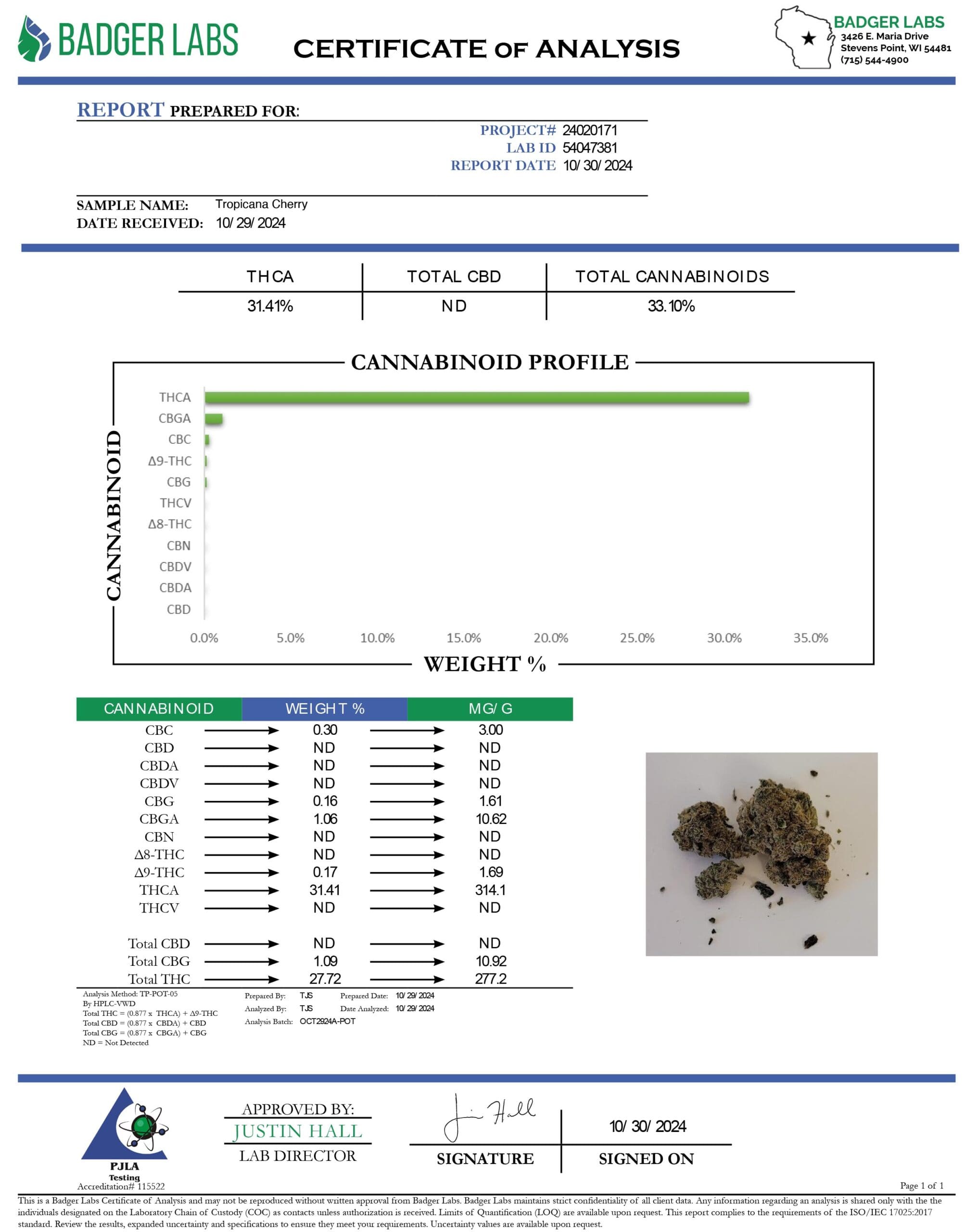
Look at seed integrity. Avoid seed lots that look inconsistent in size or show obvious defects. That’s not just aesthetic. Seed viability often correlates with how uniform the batch is.
If you’re buying from a storefront that offers clear ordering and packaging, that matters too. The best seeds in the world won’t perform if they were stored poorly or sat too long in inconsistent temperatures.
If you’ve seen this strain tied to a specific retailer like Ounce of Hope, it’s worth checking what they actually provide: how seeds are packaged, how they describe guarantees, and whether they disclose seed type clearly. “Tropicana Cherry” can mean different lines depending on the marketplace, and seed type is a major determinant of how smooth your grow will feel.
One practical tip: if you’re new, don’t plant your whole run with only one seed. It’s not about fear, it’s about statistics. Growing is not coin-flips, but germination and early vigor are influenced by conditions. Planting a small backup avoids the “now I’m starting from scratch” panic.
Planning your grow: indoor vs outdoor realities
Tropicana Cherry can be grown in both settings, but your success depends on how you manage the environment.
Indoor tends to be easier for two reasons: humidity and airflow are controllable, and you can maintain a stable light schedule. Sweet, fruit-forward strains often reward that stability. They also help you hit harvest timing more accurately, since you’re checking trichomes and pistils on schedule, not guessing based on weather.
Outdoor introduces variability. Tropical notes can still come through, but humidity and temperature swings near the end of flower can change the final bud experience. If you’ve ever had a plant that looked gorgeous right up until the last two weeks, you know the pattern: the canopy stays damp, the smell becomes less sweet, and issues creep in.
If you’re set on outdoor, prioritize airflow and site selection. Choose a location that gets consistent sun and doesn’t trap moisture overnight.
Training and structure: how to get buds that finish well
People often ask, “Will I need to train it?” For Tropicana Cherry, training is less about forcing it into a shape and more about preventing dense, overly shaded areas.
Sweet-fruit strains can look lush and forgiving early, but late in flower the canopy becomes the battleground. Dense growth holds moisture, and airflow problems can steal aroma and quality.
In practical terms, many growers keep things open. You might use a simple approach like light pruning or low-stress training to spread branches. If you grow in a small tent, training is almost mandatory because headroom is limited and lighting intensity matters at the canopy.
The goal is even light distribution. The reward is more consistent bud development, easier harvest timing, and less risk of hidden trouble inside the thickest colas.
Feeding: balancing flavor potential with plant health
Feeding is where you can accidentally sabotage what you’re trying to grow. It’s also where you can make Tropicana Cherry sing.
Because the strain is commonly associated with sweet, fruity qualities, you may be tempted to push nutrients aggressively toward late flower. Don’t. Overfeeding late can increase stress, slow down maturation, and make the final taste harsher.
Instead, aim for a smooth ramp. Many experienced growers use a staged approach: stronger nitrogen earlier in veg, then dialing back as flowering builds, with a calmer hand during late flower. If you’re using bottled nutrients, follow the manufacturer’s general schedule, then adjust based on leaf response rather than only week number.
A few signs to respect:
- If leaves claw or tip-burn early, your plant is telling you something before you interpret it. If leaves fade too fast, you may have underfed or had pH/uptake issues. If buds swell but the plant looks hungry, you risk ending with thin resin quality and a less satisfying cure.
I’ve found that tropicana cherry terpene consistent watering plus correct pH is more important than chasing a perfect nutrient recipe. If pH drifts, “right” fertilizer becomes the wrong fertilizer.
Germination and early vigor: where most mistakes happen
Early growth sets the tone. A healthy start makes everything later easier, especially with a strain that tends to show quality through aroma and finish.
Here’s a compact germination and early-care approach that has worked well for many growers.
Use clean media and avoid reusing contaminated soil or old runoff-prone mixes. Keep moisture consistent, not soaked, and aim for warm but not scorching conditions. Start with gentle light exposure once sprouts appear, then scale intensity gradually. Watch the first set of true leaves for color and shape, they’re your early signal. If a seedling stalls, don’t keep “waiting it out” for weeks. Diagnose light, moisture, and root zone, then correct.You’re trying to build roots that can handle the stretch into flowering. When roots are delayed, Tropicana Cherry can take longer to fully develop and you’ll lose time on your harvest window.
Flowering: what changes as it matures
During flowering, the plant’s priorities shift. The smell becomes more noticeable, and the canopy thickens. This is also when you should pay attention to airflow, humidity, and how the buds are packing.
As flowering progresses, the biggest risk for many growers is letting the environment swing. When humidity rises at night or airflow slows, dense buds can stay too wet too long. That doesn’t always guarantee mold, but it increases the odds of bud rot and it can affect how sweet the final product smells.
Another factor is patience with harvest timing. Even if you’re tempted to harvest “based on calendar,” Tropicana Cherry can show maturation gradients across the plant. A uniform finish is not guaranteed.
A good strategy is to check trichomes and pistil color progression, but also pay attention to the feel and smell of the buds when you handle them. Late-flower aroma should feel intense, not just “present.”
Harvest and dry: the stage most people underestimate
If you’re trying to get the tropicana cherry strain review experience you saw online, drying is where it either happens or it doesn’t.
The drying environment influences how volatile compounds survive. Sweet and fruity aromas depend on those compounds staying intact long enough to evolve during cure. If drying is too fast, you can lose the top-end sweetness and end up with a smell that feels muted.
If drying is too slow or humidity is poorly managed, buds can brown unevenly and the smell can turn “stale” even if the buds look good on the outside.
Aim for slow, steady drying with good airflow. Don’t blast fans directly on the buds, but do maintain consistent movement of air in the grow space. The point is even drying across the canopy.
Curing: where flavor sharpens and effects smooth out
Curing is the part you can’t fake with prettier jars. The smell develops in layers, and the harshness (if it exists) often reduces with time.
A reliable cure doesn’t mean you have to follow some rigid schedule, but you do need to avoid the extremes.
- If you cure too short, you may notice a sharper inhale and the fruit notes might not fully show. If you cure too long with poor handling, you can lose some brightness.
Many growers land in a practical middle where the buds are fully dried, then cured for long enough that the aroma becomes round and the smoke feels less “green.” If you’re making notes for tropicana cherry strain effects, this is where you’ll often notice the biggest change.
A final caution: curing failures often start with how you bag or jar. Overfilling containers or skipping burping when needed can slow moisture equalization and create uneven results.
Troubleshooting problems specific to “sweet fruit” strains
You can run into issues that look generic, but they hit differently on sweet, dense-bud genetics.
The common late-flower problems
You’ll likely see some combination of:
- bud density that traps moisture, lingering humidity spikes, leaf issues that reduce photosynthesis late in the cycle, and uneven ripening across colas.
If you get leaf yellowing too early, don’t automatically assume it’s “time.” It could be nutrient availability, light intensity, or root zone problems. Fixing it too late can reduce the bud’s final quality.
Smell is not everything, but it’s a warning system
If the buds start smelling bland while still maturing, check your environment. Aroma can be a feedback loop. It may not tell you the whole truth, but it often points toward stress or unfinished cure stages.
Tropicana Cherry strain price: how to think about it without overpaying
Tropicana cherry strain price varies based on seed type, batch size, and seller. It also depends on whether you’re buying a small number of seeds for a personal run or bulk seeds for multiple cycles.
The mistake is comparing price without comparing risk. Cheaper seeds that have lower viability can cost you more if germination is inconsistent or if you end up with weak plants that take longer to finish.
When I’m deciding whether to pay more, I think in terms of total outcome quality, not per-seed math. A slightly higher price can make sense if you’re confident about seed quality and storage and if the seller provides clear information.
If you’re considering buying from a retailer tied to the name Ounce of Hope, treat the price as one variable in a broader quality equation. Ask yourself:
- Is the seed type clearly stated? Are there realistic expectations for germination rates? Is shipping and storage handled responsibly? Can you reliably complete your grow with the number of seeds you bought?
If those answers are solid, the price becomes easier to justify.
How to grow it for the results you actually want
Your “best” Tropicana Cherry grow depends on your priority. Some people want the fullest aroma. Others want dense flowers for bag appeal. Some want a consistent effect for evening use without feeling heavy.
You can tune your run by focusing on one of these angles:
1) Flavor-first growth: emphasize steady environment, conservative late feeding, and careful dry and cure. Harvest timing matters more than squeezing extra days from the plant. 2) Structure-first growth: train to avoid hidden dense pockets, maintain canopy airflow, and keep light distribution even. You’re buying consistency. 3) Effect-first growth: don’t rush harvest. Effects often improve as the plant matures and the cure smooths out the experience.
A lot of growers try to optimize all three at once. That can work, but it’s easier if you’re honest about the trade-offs. For instance, pushing density by not training might increase yield potential, but it also raises the risk of late-flower issues that can blunt aroma.
A practical expectation for time and difficulty
Difficulty is relative. If you’ve grown before, Tropicana Cherry won’t feel like an alien plant, but it also isn’t a “set it and forget it” selection.
The plant tends to reward attention. You’ll get the best results when you:
- keep the canopy healthy through late flower, maintain stable humidity and airflow, harvest at the right time, and cure with patience.
If you are brand new, start with a manageable number of plants, track your changes, and learn what “normal” leaf response looks like for your setup. Once you understand your environment, the strain’s traits become easier to predict.
Tropicana Cherry strain review style notes you can actually use
When you read a tropicana cherry strain review online, you’ll see people describe smell, flavor, and effect. Some details can be poetic, but you can still extract useful information.
Instead of copying someone else’s conclusion, translate it into what you can control. If a reviewer says it tastes intensely sweet, that suggests their dry and cure were handled well. If they say the effect is balanced but mellow, that suggests they likely harvested near a good maturity point and consumed responsibly.
If you’re building your own “review,” write down:
- when you harvested, how the buds smelled on day one after dry, how the aroma changed after curing, and how the effect shifts at different doses.
That’s how you connect tropicana cherry strain effects with your actual grow decisions. Over time, you’ll start predicting your own outcomes, not just hoping.
Final thoughts before you plant those seeds
Buying tropicana cherry strain seeds is exciting because the payoff is usually obvious when it’s done right: sweet aroma, satisfying bud quality, and a pleasing effect that many people find usable. The downside is that the strain’s strengths depend on finishing work. Dry and cure aren’t optional extras, they’re part of the product.
If you want a smooth first run, focus less on chasing hype and more on managing the late-flower environment and harvest timing. Pay attention to leaf signals during the last weeks. Plan your drying setup before you harvest. And don’t let a jar sit “almost ready” for too long.
If you’re careful with those pieces, Tropicana Cherry can deliver the kind of experience that makes growers talk about it long after the cycle ends, and it’s exactly why people keep returning to it when they shop for their next seed run.